
"South Africa coffee origins"
1000 article(s) found

Description of characteristic Flavor of Coffee beans in Latin America introduction to Variety Manor by Grinding scale treatment
Latin American coffee bean characteristic flavor description grinding scale method Variety Manor introduction was once the second largest coffee producer only in Brazil, but Colombia, which has been overtaken by Vietnam and ranked third in the world, is the largest supplier of washed beans in the world. Colombia has become synonymous with good coffee after years of image building. Although the flavor is balanced, thick and famous,

Introduction of Coffee from 53 Coffee producing areas in the World (4)
thirty-one. Rwanda quality coffee comes from washed Arabica beans, which has a unique and perfect flavor. Rwanda (Rwanda) coffee is absolutely high quality in terms of its washed Arabica beans. As far as Africa is concerned, its coffee industry stands out because the country thrives mainly by producing the best possible beans. The taste of Rwandan coffee is described as a grassy aroma

Starbucks Kenyan Coffee | Starbucks Coffee Type | Starbucks individual Coffee
Professional coffee knowledge exchange more coffee bean information please follow the coffee workshop (Wechat official account cafe_style) the Republic of Kenya (The Republic of Kenya) is located in eastern Africa, the equator runs through the central part, and the Great Rift Valley runs through the north and south of East Africa. It is bordered by Somalia to the east, Tanzania to the south, Uganda to the west, Ethiopia and South Sudan to the north and the Indian Ocean to the southeast.
A little knowledge of coffee the geographical location of the coffee belt
Most of the coffee production is between the Tropic of Cancer, 25 degrees north of the tropical or subtropical equator and 30 degrees south of the equator. An area with an annual average temperature of 16-25 degrees Celsius, no Frosts Descent and rainfall of 1600-2000 mm. At present, coffee is mainly produced in more than 70 countries. The Big self is located at an altitude of 300,400m, sometimes between 2000 and 2500 meters above sea level.
Introduction to West Africa-West Cameroon Plateau producing area of java long Bean
Abstract: Cameroon has the characteristics of soil quality, climate and topography, which is suitable for the growth of many kinds of crops. The main crops are coffee, cocoa, cotton and other cash crops and millet, sorghum, corn and other food crops. Cameroon is rich in Rob Coffee Raw beans. Cameroon has the characteristics of soil quality, climate and topography, which is suitable for the growth of many kinds of crops. The main crop is coffee.

A brief introduction to the cultivation of Ugandan boutique coffee beans, geographical location, climate and altitude
Ugandan coffee beans have a unique flavor of delicate taste, which is very suitable for making Italian and other flavors of coffee. More importantly, Ugandan coffee beans are strictly screened according to the standards of the international market to ensure their high quality and pollution-free characteristics. Uganda is a landlocked country in eastern Africa, straddling the equator, bordering Kenya to the east, Tanzania and Rwanda to the south, and the Democratic Republic of the Congo to the west.

Introduction to the production area of grinding scale varieties of coffee with Liberian flavor description treatment method
Coffee bean Ethel sa was discovered in 1904, a variety originated in the Charlie River Basin in Africa, small fruit, high yield per plant, especially a drought-resistant variety. The product has a strong flavor, slightly bitter taste, cultivated less Liberian species, that is, large-grained species, originated in Liberia in Africa, as well as Malaysia and other few countries. Its cultivation history is slightly shorter than that of the other two coffee trees.

Is Uganda the birthplace of Robusta? Detailed introduction of Bugisu AA producing area
For the exchange of professional baristas, please follow the Coffee Workshop (Wechat cafe_style) Uganda UGANDA Uganda is located in the Grand Canyon of East Africa, located in the heart of East Africa, crossing the equator, bordering South Sudan to the north, Democratic Republic of the Congo to the west, Tanzania and Rwanda to the south and Kenya to the east. The whole country is located on the plateau, with an average elevation of 900 meters. Mountains and valleys in the territory

Coffee Belt (COFFEE WORLD MAP) Coffee beans are generally grown at what latitude?
Most of the coffee production is between the Tropic of Cancer, 25 degrees north of the tropical or subtropical equator and 30 degrees south of the equator. An area with an annual average temperature of 16-25 degrees Celsius, no Frosts Descent and rainfall of 1600-2000 mm. At present, coffee is mainly produced in more than 70 countries. The Big self is located at an altitude of 300,400m, sometimes between 2000 and 2500 meters above sea level.

Flavor characteristics of fine coffee beans in Africa, America and Asia Coffee producing area
Professional coffee knowledge exchange more coffee bean information please follow the coffee workshop (Wechat official account cafe_style) the flavor characteristics of fine coffee beans in Africa, America and Asia African bean flavor of which Ethiopian coffee has a strong orange flavor, Kenyan coffee has a strong raspberry flavor with sour aromas of black plum juice and grapefruit, as well as sweet sugar cane. Ethiopian coffee.

The Origin of Coffee Coffee is traced back to the main producing countries.
The word coffee [1] comes from the Greek word Kaweh, meaning strength and enthusiasm. Coffee tree is an evergreen shrub of Capsaceae. Daily coffee is made from coffee beans combined with a variety of cooking utensils, and coffee beans refer to the nuts in the fruit of coffee trees, which are then roasted with appropriate roasting methods. Legends about the origin of coffee vary, but mostly because of it
Introduction of major coffee producing areas in the world Central and South American coffee beans, African coffee beans, Asian coffee beans
[introduction] Coffee comes from coffee beans, which are harvested and processed from the fruit of trees. Coffee trees grow at the center of the equator, between latitudes of 25 degrees south and north, and are called coffee belts in the homes of tropical or subtropical countries. at present, raw coffee comes from coffee beans, which are harvested and processed from the fruits of the trees. Coffee trees grow at the center of the equator.

The geographical distribution of coffee trees how would you like your latte coffee foam to be beaten?
Coffee grows mostly in countries with alpine terrain between the Tropic of Cancer and the Tropic of Cancer. It is native to tropical Africa and is introduced and cultivated in South and Southwest China. [2] the cultivation technology editor requires that the origin of the coffee tree [4] is in Ethiopia in Africa. In botany, the coffee tree belongs to the evergreen tree of the coffee subgenus of Rubiaceae, and the so-called coffee bean is actually the fruit of the coffee tree.

Citrus-flavored and sweet Coffee Variety of Coffee Variety in Kimmel Manor, Rwanda
Rwanda is located in the south of the equator in east-central Africa, a landlocked country. It is bordered by Tanzania to the east, Burundi to the south, Zaire to the west and northwest, and Uganda to the north, with a land area of 26338 square kilometers, ranking 149th among all countries in the world and close to Burundi, Macedonia, Haiti and Albania. Rwanda is located in east-central Africa, bordered by the Democratic Republic of the Congo in the west and north.

The hometown Origin Culture of Coffee
According to the study of the origin of coffee, it is agreed that the earliest place of origin of coffee should be Ethiopia in Africa (ancient Abyssinia), which has produced magical fruits that have affected the world to this day. The legend of the origin of coffee is generally accepted as the legend of Ethiopian shepherds. The story begins with a goat: a man named Caldy (

Representative of American coffee beans: characteristics of coffee from Brazil, Colombia, Costa Rica and Panama
Exchange of professional baristas Please pay attention to Coffee Workshop (Wechat official account cafe_style) Coffee is a rich and interesting world. Coffee from different continents has some common characteristics. Coffee is the product of 15 degrees latitude from the equator to the north, so it is produced in South America, Asia and Africa. However, the coffee produced from the equator to 15 degrees north latitude is too strong and bitter, so there is only some to drink.
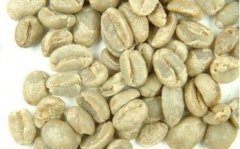
Premium coffee beans recommended African coffee raw beans Congo Kivu 4/Kivu 4
[product name] Kivu 4 (Kivu 4) [place] Congo (D.R. Congo) [place] washing [baking] recommended baking degree: medium or deep baking has a unique dry aroma: fresh smell similar to soil; light flood has a bright sour taste, similar to Kenya, and a bitter taste similar to tobacco. The overall performance of deep baking is between Kenya and Indonesia.
Growth and characteristics of Coffee trees
The origin of the coffee tree is Ethiopia in Africa. In botany, coffee trees belong to the evergreen trees of the subgenus Rubiaceae, and coffee beans, commonly known as coffee beans, are actually the seeds of the fruit of coffee trees. They are called coffee beans only because they are shaped like beans.
The hometown of coffee
According to the study of the origin of coffee, it is agreed that the earliest place of origin of coffee should be Ethiopia in Africa (ancient Abyssinia), which has produced magical fruits that have affected the world to this day.

Introduction to the main Coffee producing areas in the World
Coffee comes from coffee beans, which are harvested and processed from the fruit of trees. Coffee trees grow at the center of the equator, between latitudes of 25 degrees south and north, and are called the homes of tropical or subtropical countries called coffee belts. At present, there are about 60 coffee-producing countries. Coffee is produced in South America, Central America, the West Indies, Asia, Africa, Arabia, the South Pacific and